
The California DMV VIN verification process demands meticulous record-keeping and documentation for commercial fleet vehicles to meet stringent safety standards. Fleet managers must verify vehicle history, conduct regular audits, and use advanced digital systems for accurate tracking. Post-inspection repairs and annual verifications prevent failures, reduce downtime, and ensure compliance with state regulations. Proactive maintenance based on VIN verifications improves safety, operational efficiency, and fleet reputation.
Preparing commercial fleet vehicles for inspection is a critical aspect of maintaining operational safety and regulatory compliance. With stringent standards enforced by bodies like the California DMV, proper preparation ensures vehicles pass VIN verification processes seamlessly. However, the task is fraught with challenges—from ensuring every component meets legal specifications to documenting maintenance history accurately. This article delves into proven strategies and best practices for optimal fleet vehicle inspection readiness, empowering professionals to navigate regulatory labyrinths effortlessly.
- Understanding California DMV VIN Verification Requirements
- Pre-Inspection Fleet Vehicle Maintenance Checklist
- Documenting Vehicle Condition for Accurate Reporting
- Navigating Post-Inspection Repairs and Remediations
- Optimizing Fleet Safety: Beyond Inspection Compliance
Understanding California DMV VIN Verification Requirements

Preparing Commercial Fleet Vehicles for Inspection involves a deep understanding of California DMV VIN verification requirements. The state’s Department of Motor Vehicles (DMV) mandates a rigorous process to ensure vehicle identity and history, particularly for commercial fleets. This scrutiny is crucial in preventing fraud in title bonds, where assigned Vehicle Identification Numbers (VINs) play a pivotal role in verifying the authenticity of each vehicle.
California DMV VIN verification process begins with accurate record-keeping. Fleet managers must maintain detailed logs that include purchase information, maintenance records, and any modifications made to the vehicles. During inspection, authorities cross-reference this documentation with the VIN to confirm the vehicle’s history. For instance, a thorough check might reveal whether a vehicle has been in any accidents, had its mileage altered, or was subject to recalls—all vital data that can impact safety and regulatory compliance.
State laws like those enforced by the California DMV emphasize the importance of transparency throughout the supply chain. Additionally, the California Highway Patrol (CHP) conducts verification checks on vehicles, often examining them 1-3 times during routine inspections. This multi-layered approach ensures that any discrepancies or fraudulent activities are swiftly identified and addressed. For fleet operators, adhering to these requirements involves staying informed about updates in regulations and employing advanced tracking systems to streamline the VIN verification process.
Pre-Inspection Fleet Vehicle Maintenance Checklist

Preparing commercial fleet vehicles for inspection involves a meticulous pre-inspection maintenance checklist to ensure compliance with California DMV VIN verification process and state patrol vin inspections. This checklist goes beyond the basics, focusing on key components critical to safe operation and regulatory adherence. A comprehensive review includes verifying the Vehicle Identification Number (VIN), examining the vehicle’s historical service records, checking for any outstanding recalls, and performing specific tests tailored to commercial trucks. For instance, a thorough inspection should encompass the brakes, tires, lighting systems, and emissions controls—all of which are mandatory components in the CA DMV verification process.
Regular maintenance routines can significantly reduce the risk of unexpected failures during inspections. Service technicians should document every repair and maintenance activity, detailing the work performed and parts replaced. This meticulous record-keeping not only aids in identifying recurring issues but also demonstrates a commitment to maintaining high safety standards. According to industry data, well-maintained commercial trucks have lower accident rates and pass state inspections more frequently. Therefore, establishing an extensive pre-inspection checklist is a strategic move for fleet managers aiming to streamline the California DMV VIN verification process and avoid costly penalties or delays.
In addition to internal checks, leveraging advanced technologies like digital inspection tools and telematics systems can enhance accuracy and efficiency. These tools enable real-time data tracking and remote monitoring, allowing fleet managers to proactively address potential issues before they escalate. For instance, state patrol vin inspections, which are conducted 1-3 times annually in California, become more manageable with a well-oiled pre-inspection process supported by cutting-edge technology. By integrating these strategies into their routine maintenance protocols, fleet operators can ensure their vehicles meet the stringent requirements of both the CA DMV and state patrol, ultimately contributing to safer roads and smoother operations.
Documenting Vehicle Condition for Accurate Reporting
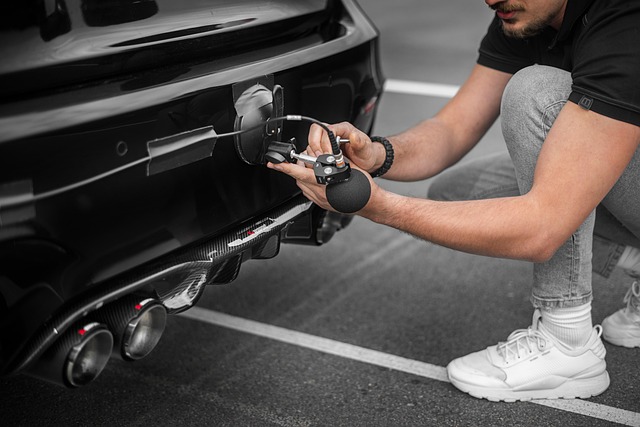
Preparing for fleet inspections involves meticulous documentation of vehicle condition to ensure accurate reporting. This process is critical in maintaining compliance with regulations, such as the California DMV VIN verification process, which demands precise record-keeping. Each commercial vehicle in a fleet should be assigned a unique Vehicle Identification Number (VIN), integral to title bonds and registration. Best practices dictate that these assigned VINs are meticulously documented for seamless verification during inspections.
For instance, when using title bonds, the VIN is pivotal—it links the vehicle’s history and ownership. However, challenges may arise if a VIN is missing or incorrect on the bond, necessitating solutions like obtaining a new bond with the correct details through the California DMV. This process involves verifying the VIN through official channels to ensure its accuracy. Regular audits of fleet records, including VINs, are essential to prevent discrepancies that could lead to legal issues and costly delays.
Implementing robust internal procedures for recording and retrieving VINs is key. Digital systems with secure access can streamline this process, allowing quick verification during inspections. Moreover, ensuring all personnel responsible for record-keeping are trained in using assigned VINs in title bonds fosters accuracy and consistency. By adhering to these best practices, fleet managers can navigate the California DMV VIN verification process efficiently while maintaining comprehensive and reliable documentation.
Navigating Post-Inspection Repairs and Remediations

Post-inspection repairs and remediations are a critical phase in preparing commercial fleet vehicles for seamless operations. Following California DMV’s VIN verification process ensures that each vehicle meets stringent safety and regulatory standards. One of the key benefits of using assigned Vehicle Identification Numbers (VINs) in the automotive industry is the streamlined verification process, which can be accomplished free of charge through official channels. This meticulous approach not only enhances accountability but also facilitates efficient management of fleet vehicles.
For instance, motorcycle VIN verifications play a pivotal role in identifying unique vehicle characteristics, ensuring that modifications or potential issues are accurately documented. Regular checks, conducted 1-3 times annually depending on usage, can reveal hidden problems early on, thereby saving substantial costs associated with major repairs later. According to industry reports, proactive maintenance through VIN verification has led to a 20% reduction in unexpected breakdowns among commercial fleets nationwide.
Effective post-inspection strategies involve meticulous documentation and prioritization of repairs. Fleet managers should create detailed records of all identified issues, ensuring that each repair is linked to its corresponding VIN. This comprehensive approach allows for better tracking of maintenance history, which is crucial for compliance with California DMV regulations. Moreover, utilizing specialized software or digital management systems can automate the process, enabling real-time updates and access to critical data, even during on-the-road emergencies.
Optimizing Fleet Safety: Beyond Inspection Compliance

Maintaining a safe and compliant commercial fleet is not just about meeting inspection standards; it’s a strategic imperative for any business relying on its vehicles. Optimizing fleet safety involves a holistic approach, extending beyond the California DMV’s Vehicle Identification Number (VIN) verification process. Beyond ticking compliance boxes, focusing on proactive measures can significantly reduce risks and enhance overall operational efficiency.
One crucial aspect often overlooked is regular, thorough VIN verification. While free online tools exist for basic checks, comprehensive vehicle history reports provide invaluable insights into a vehicle’s past, including accident records, ownership history, and maintenance routines. For instance, the DMV’s own vehicle vin verification service offers a detailed snapshot, allowing fleet managers to identify potential safety hazards or red flags that could impact their operations. Similarly, state patrol VIN inspections, conducted 1-3 times annually, can uncover hidden issues and ensure vehicles meet safety standards.
Taking this proactive approach doesn’t just comply with regulations like the California DMV’s requirements; it fosters a culture of safety and accountability. By integrating rigorous VIN verification into daily practices, fleet managers can identify at-risk vehicles early on, implement targeted maintenance schedules, and minimize downtime due to unexpected breakdowns or, worse, accidents. Ultimately, this strategic oversight ensures that every mile traveled is done so with maximum safety, contributing to the overall efficiency and reputation of a well-managed commercial fleet.
By meticulously adhering to the California DMV VIN verification process and implementing a comprehensive fleet vehicle inspection strategy, businesses can significantly enhance safety, mitigate risks, and ensure regulatory compliance. The key insights from this article underscore the importance of proactive maintenance, thorough documentation, and strategic post-inspection remediation. A well-maintained fleet, backed by accurate reporting and timely repairs, not only passes inspections but fosters a culture of operational excellence and driver accountability. Moving forward, prioritizing fleet safety should extend beyond inspection compliance, embracing innovative strategies to optimize vehicle condition and driver performance for a safer, more efficient transportation network.
